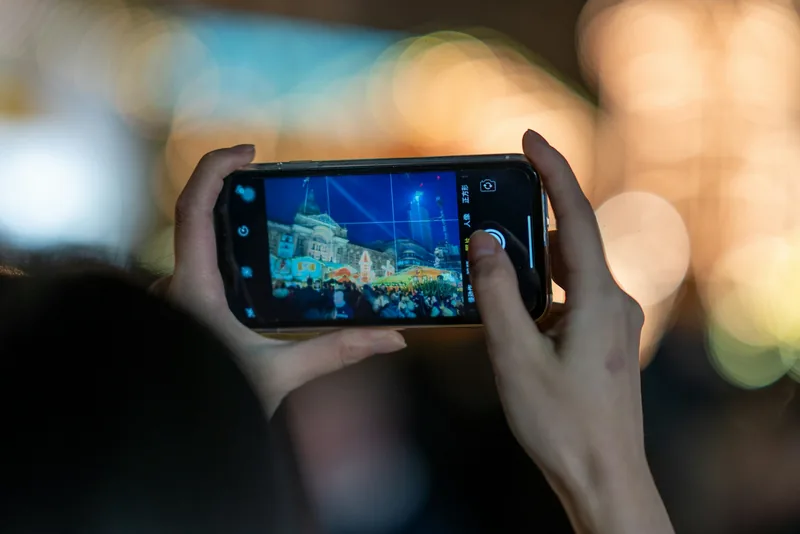
You do not need to become a professional fact-checker to get better at spotting misleading images. This three-minute daily routine teaches you what to check first, which tools are worth using, and when an image deserves a closer look.
You upload a 3D product render to an AI detector and it comes back "96% AI generated." That single mismatch explains everything wrong with how these tools get used. Here's what detectors actually measure, why CGI trips them constantly, why a Photoshopped photo often sails right through, and the layered method that does separate a render from an edit from a generation.
Weird fingers, broken teeth, and obviously distorted faces used to make fake images easy to spot. In 2026, many of those classic deepfake tells are fading, while subtler clues in physics, consistency, provenance, and file structure are becoming far more useful.
AI images now get labelled automatically. Your real photos don't, which means the burden of proof has quietly shifted onto you. This guide walks through three ways to sign your own photos, from camera-level Content Credentials to a free timestamp method that works with any phone you already own.
The EU's AI labeling rules stopped being a plan on August 2, 2026, and they reach any business whose AI-generated images are seen by people in Europe. This guide breaks down the four duties in Article 50, the deadlines that are not August 2, what the rules mean outside the EU, and the uncomfortable part most coverage skips: a missing label tells you nothing about whether an image is real.
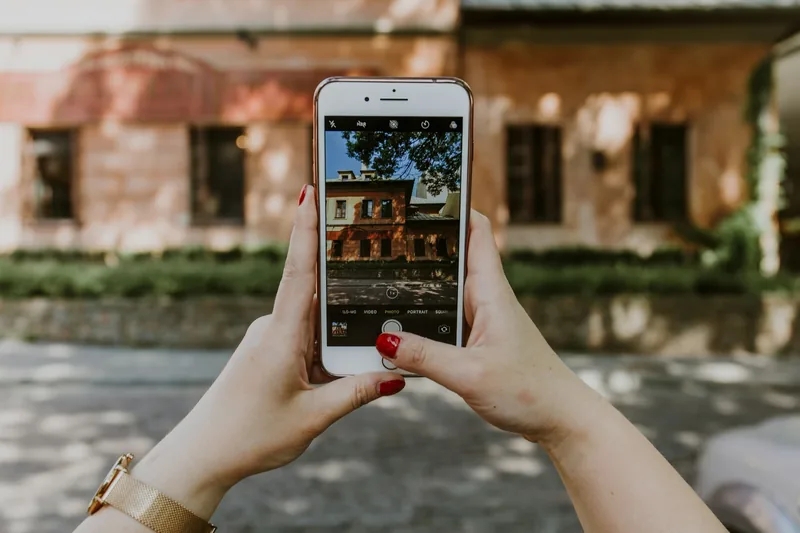
Every photo your phone takes is a composite built from several frames, reshaped by software that decides what your face, the sky and the shadows should look like. This guide breaks down the three levels of phone "faking", what your camera writes into the file about it, and why untouched phone photos can look suspicious under forensic tools when nothing was edited at all.